
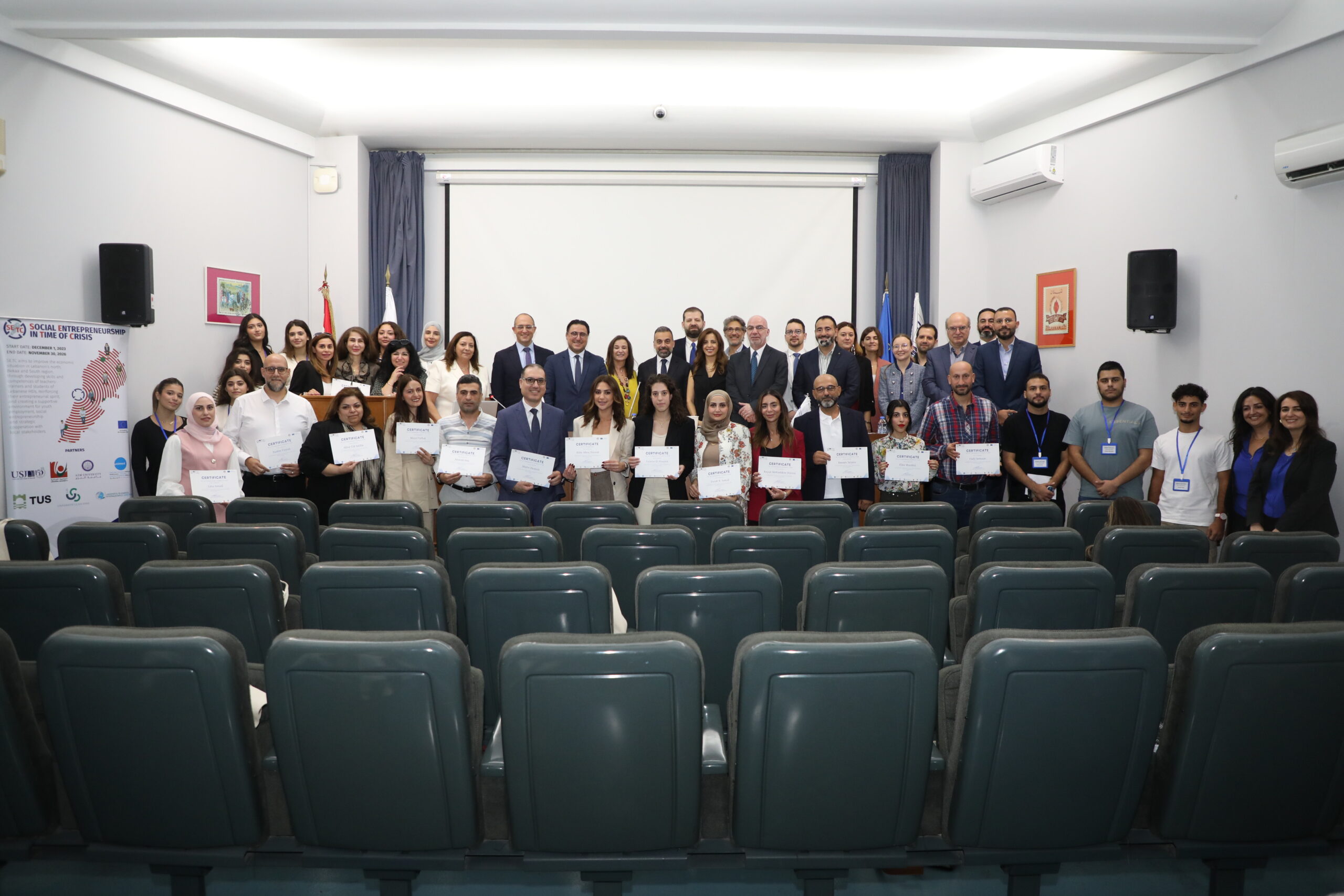
From 28 to 30 October 2025, the partners of the Social Entrepreneurship in Time of Crises (SE.TC) project gathered in Beirut and online for three intensive days of meetings, public debate and workshop. The visit, hosted by the Lebanese University, Saint Joseph University of Beirut (USJ) and Université La Sagesse, focused on strengthening Lebanon’s social entrepreneurship ecosystem and building sustainable digital education capacities through MOOCs.
Day 1 – Lebanese University: project review and next steps
The SE.TC Days opened at the Lebanese University with a partners’ management meeting dedicated to reviewing the progress of SE.TC and aligning on the next phase of activities. The discussions covered key work packages and focused on:
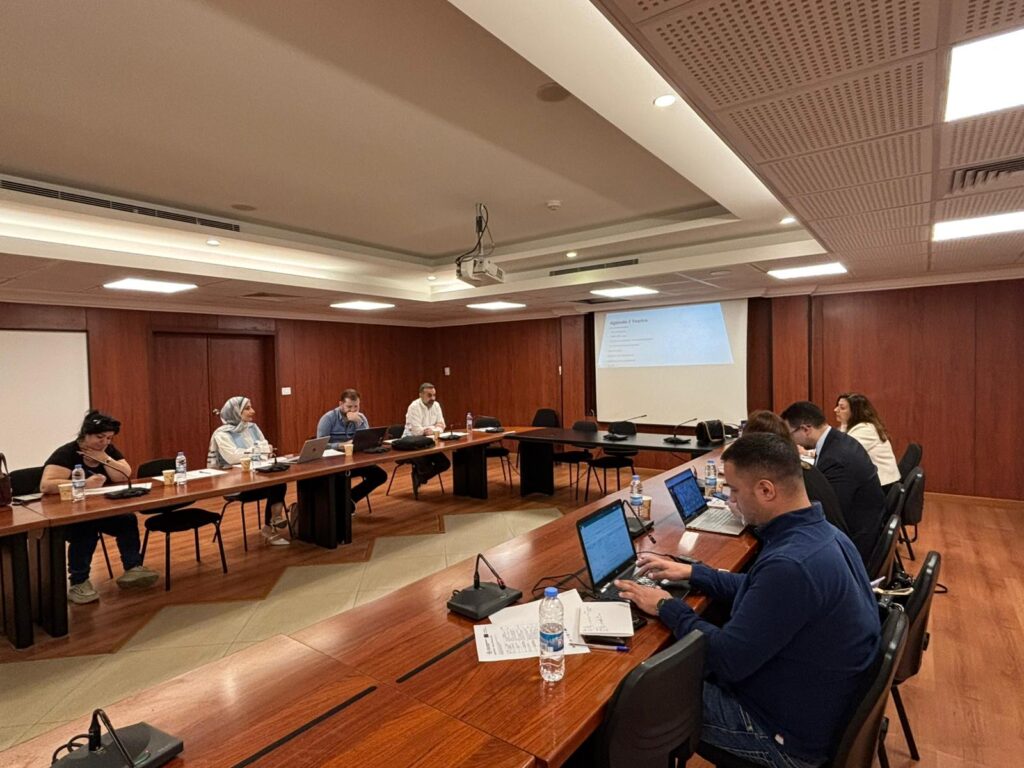
- Concluding Session 1 of the SE.TC workshops after a successful pilot phase at the Lebanese partners universities – Saint Joseph University, La Sagesse University, Lebanese University and East International University – consolidating feedback from participants and local stakeholders.
- Advancing the development of the SE.TC MOOC, which will translate the project’s training offer into an accessible online format targeting students, young entrepreneurs and civil society actors.
- Strengthening communication and visibility, thanks to the involvement of the UNIMED network, to ensure effective dissemination and maximise the impact of SE.TC outcomes at national and regional levels.
Day 2 – Saint Joseph University: national public event brought awareness on the importance of social entrepreneurship and education in crisis
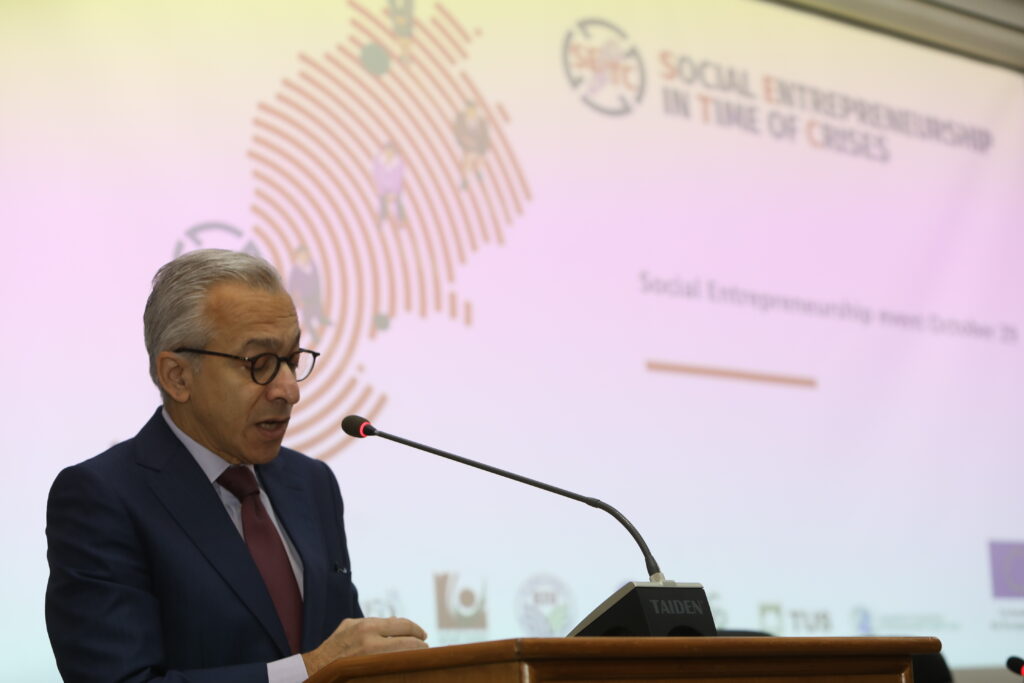
The second day, hosted at USJ’s Campus Huvelin in Ashrafieh, was a high-profile public event under the patronage of H.E. Dr. Amin Bisat, Minister of Economy and Trade, aimed at promoting social entrepreneurship in Lebanon and connecting policymakers, academics and entrepreneurs.
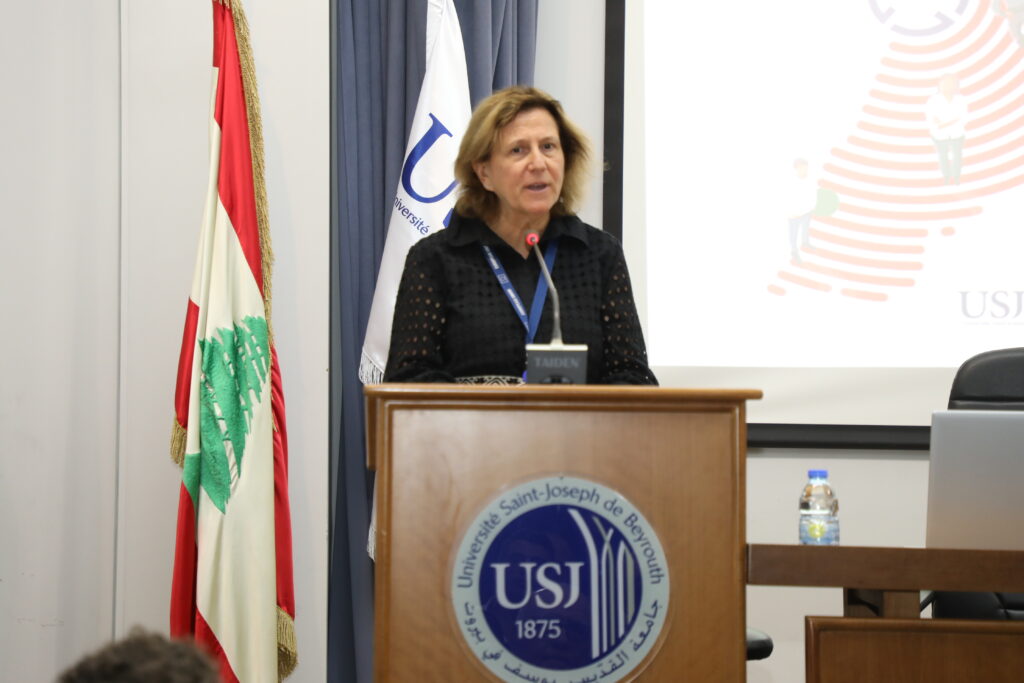
Keynote speakers stressed the role of universities in mentoring entrepreneurs, the EU’s support to the social economy and impactful initiatives, and the need for a dedicated Social Entrepreneurship Law, while highlighting social entrepreneurship as a model that combines profit with social impact.
Among them:
- H.E. Dr. Amin Bisat underlined the strategic role of universities in mentoring entrepreneurs and linking research to real-life challenges, framing social entrepreneurship as a civic model where recovery from crisis comes from agency and innovation rather than aid.
- Ms. Alessandra Viezzer, Head of Cooperation at the EU Delegation to Lebanon, highlighted the European Union’s commitment to supporting Lebanon’s private sector and social economy, and calling for the adoption of tailored funding instruments to fully unlock the sector’s potential.
- Fr. Salim Daccache s.j., Rector of USJ, described the event as a “collective act of hope and responsibility”, stressing that education must form social leaders, not only business managers, and that universities should act in solidarity with youth, women and families.
- Prof. Aref Al-Soufi, National Erasmus+ Office Coordinator, presented SE.TC as a flagship capacity-building initiative addressing inclusion, job creation and social inclusion, and encouraged Lebanese universities to build on this experience when applying to future Erasmus+ calls.
- In conclusion, Prof. Fouad Zmokhol, Dean of USJ’s Business School, framed social entrepreneurship as a model that combines profit with purpose, guided by the “3 Ps: People, Planet, Profit”, and emphasised how crisis can act as a catalyst for innovation and resilience.
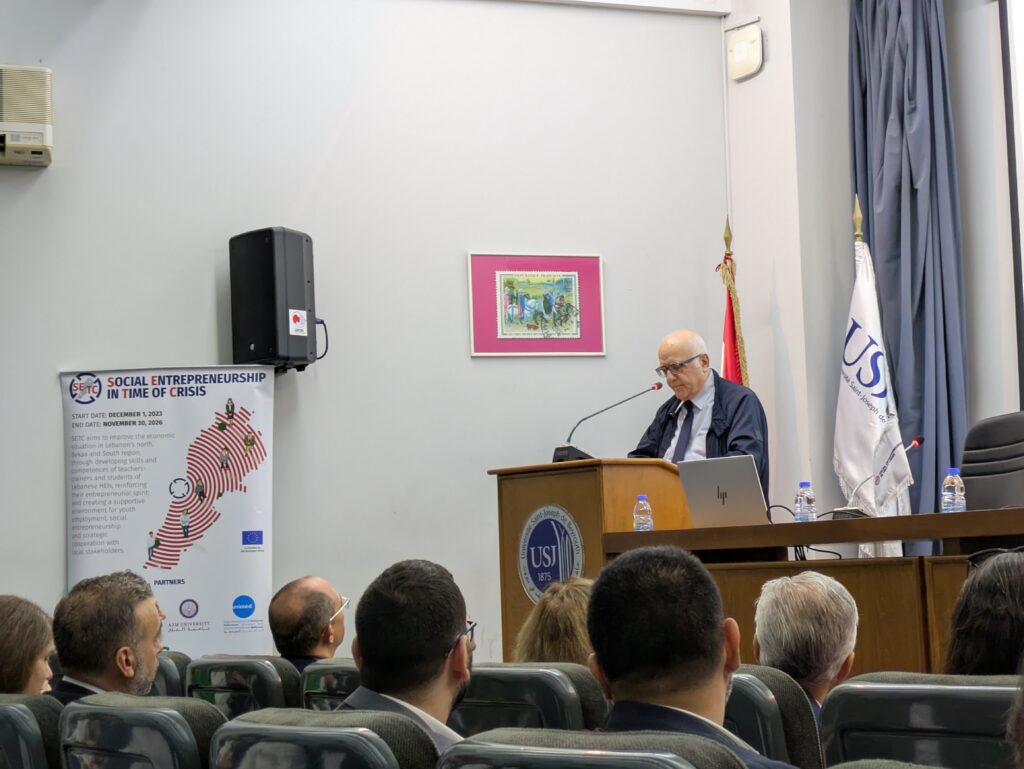
Three thematic panels explored the legal framework for social enterprises, the integration of the Sustainable Development Goals into their activities, and concrete Lebanese success stories in areas such as inclusion, circular economy and rural development. Here you can watch the video wrap-up of the event.
Day 3 – Université La Sagesse: MOOC development workshop to drive digital innovation and widen access to knowledge
The third day, hosted at Université La Sagesse, was dedicated to a practical workshop on MOOC development, aimed at strengthening the digital education capacity of Lebanese partner universities and aligning their online courses with international standards.
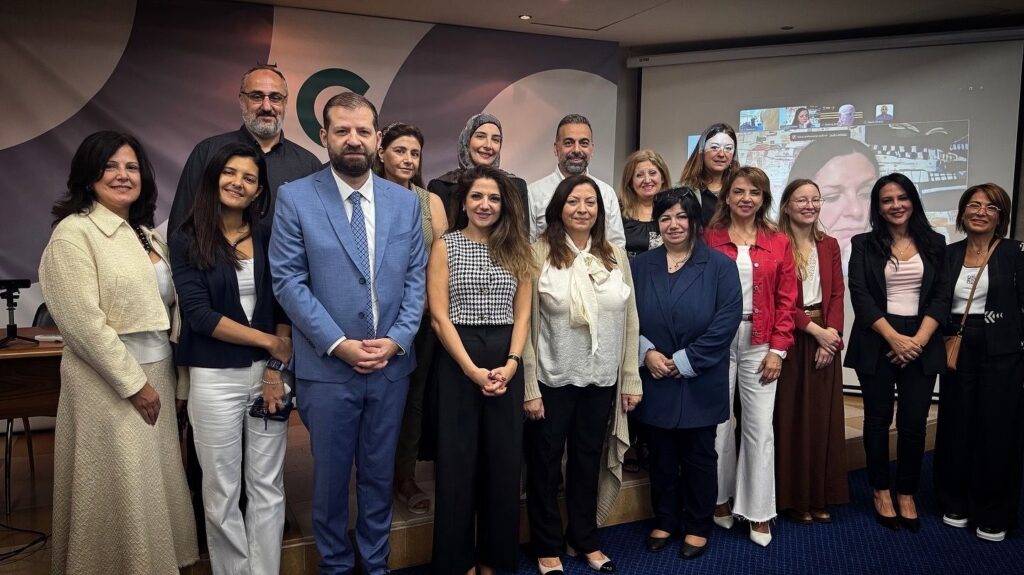
Building on European best practices shared by the Technological University of the Shannon (TUS) and UNINETTUNO, the workshop covered technical aspects of MOOC production; course design, including learning outcomes and assessment; strategies to foster student engagement through interactive content and practice sessions.
Participants also examined ongoing MOOC initiatives within SE.TC, including modules presented by USJ and La Sagesse. This collaborative model aims to foster sustainable innovation in higher education, ensuring that the digital resources produced under SE.TC remain accessible and useful well beyond the lifetime of the project.
Looking ahead: building lasting impact for social entrepreneurship in Lebanon
Across the three days in Beirut, the SE.TC partners renewed their commitment to social entrepreneurship as a driver of inclusion and innovation, to enforce links between policymakers, academia, business and civil society, and to advancing digital higher education through high-quality MOOCs. The outcomes of the mission will support the final phase of SE.TC, strengthening a community of practice and equipping Lebanese universities to better support young change-makers.
Do you want to discover more about SE.TC? Watch the project video!