
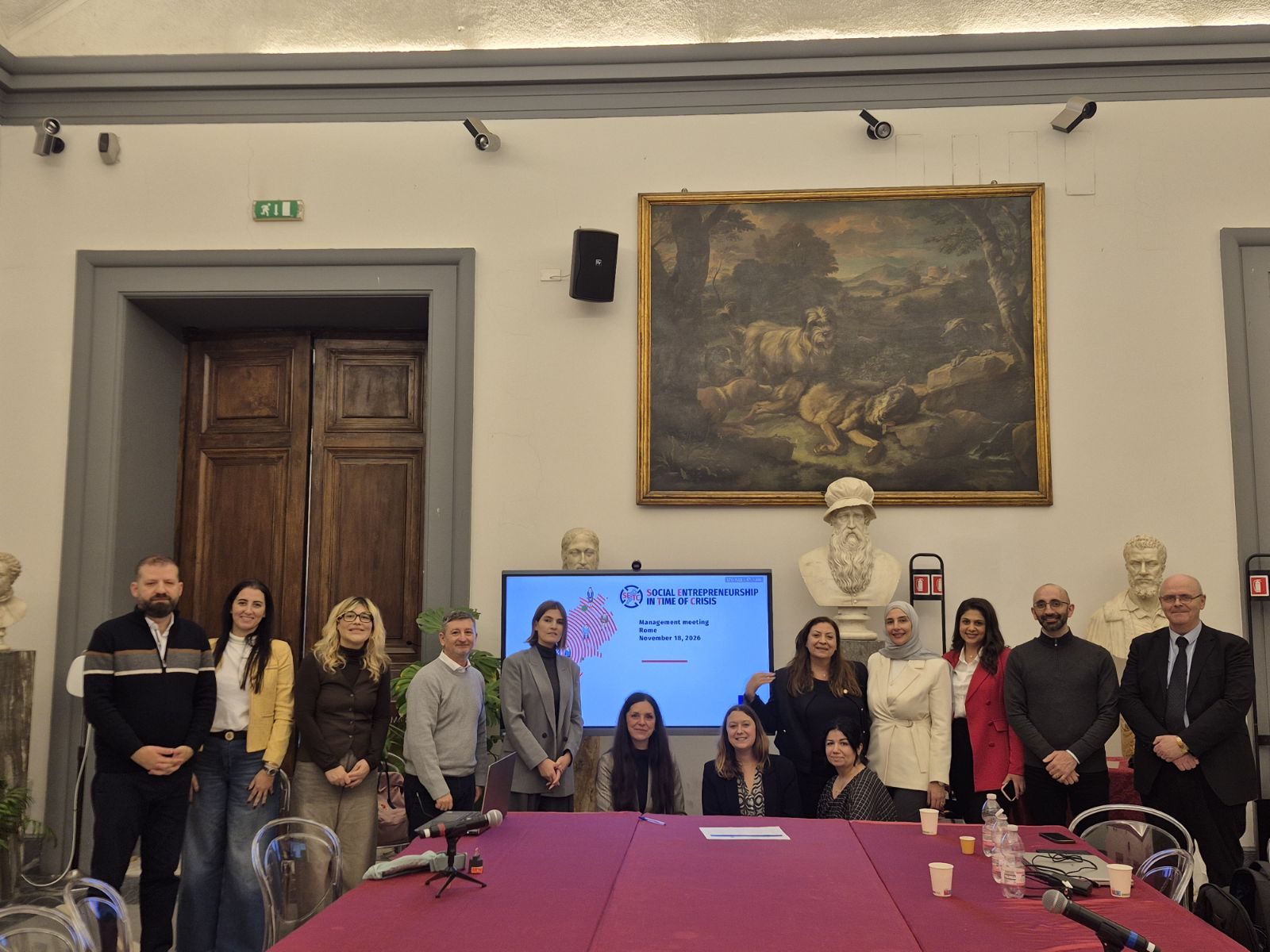
The partners of the European funded project SE.TC – Social Entrepreneurship in Time of Crises gathered in Rome for three days of meetings and collaborative activities hosted by UNIMED, Mediterranean Universities Union, and the International Telematic University UNINETTUNO, from November 17th and 19th 2026.
The meeting brought together representatives of the participating universities from Lebanon and Ireland, together with the Italian hosting institutions, to review the progress of the project, consolidate its results and coordinate the activities leading towards its final phase.
The three-day programme focused on three key areas: final project management arrangements and long-term sustainability, dialogue with external stakeholders and exchange of good practices, and the pedagogical and technical finalisation of the MOOC developed within the project final year.
A focus on Sustainability
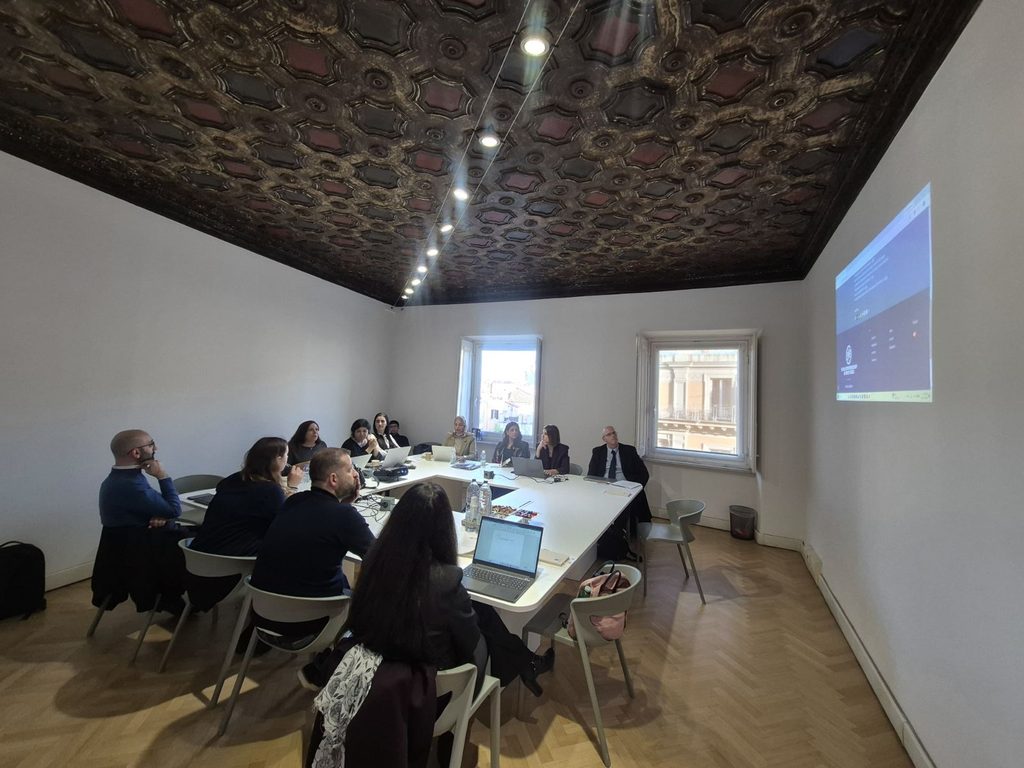
The 3-days meetings opened on 17 November at UNIMED’s headquarters with a working session dedicated to project management, reporting obligations and sustainability. Led by the University of Saint Joseph (USJ) in its role of project coordinator, the discussions involved all partners with a focus on the key project achievements, and revolved – besides the technical aspects – on identifying the key actions required by each institution to ensure the sustainability of the SE.TC results over time.
The definition of sustainability and scalability strategies requires a collaborative approach and the commitment of each partner institution, to ensure the long-term impact of the project’s results, its usability and transferability besides the project and its uptake in different contexts. Key actions include integrating social entrepreneurship training into university curricula, maintaining and expanding courses and MOOCs, and organising workshops for students and educators. Particular emphasis was placed on strengthening partnerships between universities and local communities, empowering students as social entrepreneurship ambassadors and multipliers of change, and promoting collaboration with NGOs, municipalities and other stakeholders. The overall objective is to establish a sustainable educational and community-based ecosystem that fosters entrepreneurship, active citizenship and local economic resilience in Lebanon.
Connecting Social Entrepreneurship with Key Stakeholders
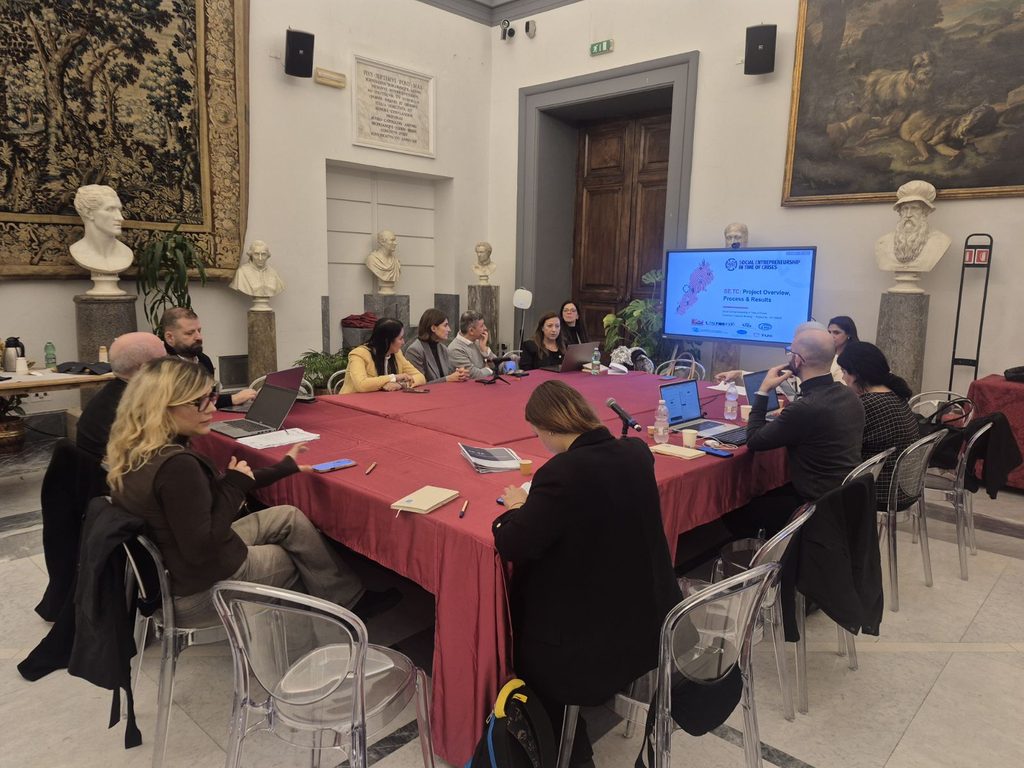
On 18 November, the project organised a Roundtable with stakeholders hosted at the Rome City Hall (Campidoglio), in the Sala Laudato Sì of Palazzo Senatorio.
The event provided an opportunity to present the SE.TC project, its objectives and its main results, while fostering dialogue between the academic partners and key organisations working in the fields of social entrepreneurship, cooperation and local development. The roundtable brought together project partner universities, representatives of Italian stakeholders, including Confcooperative – the Confederation of Italian Cooperatives, a representative of the National Association of Italian Municipalities (ANCI), and LUMSA University, participating online and representing the ELANET network.
Following the opening remarks by Linda Meleo (UNINETTUNO) and Martina Zipoli (UNIMED), May Merhej Sayegh, SE.TC Project Coordinator from the University of Saint Joseph in Beirut, presented the project and its main achievements, with contributions from all partners. The discussion then focused on sharing organisational experiences, good practices and lessons learned, as well as exploring sustainability actions and opportunities for cooperation between universities, social enterprises and local stakeholders.
The exchange highlighted the importance of building stronger connections between higher education institutions and the wider social entrepreneurship ecosystem, particularly in supporting vulnerable communities and creating new opportunities for young people. The Roundtable also provided inputs for future collaborations, where different stakeholders can join forces to generate positive social impact and sustainable economic and social development.
Finalising and Validating the project MOOC
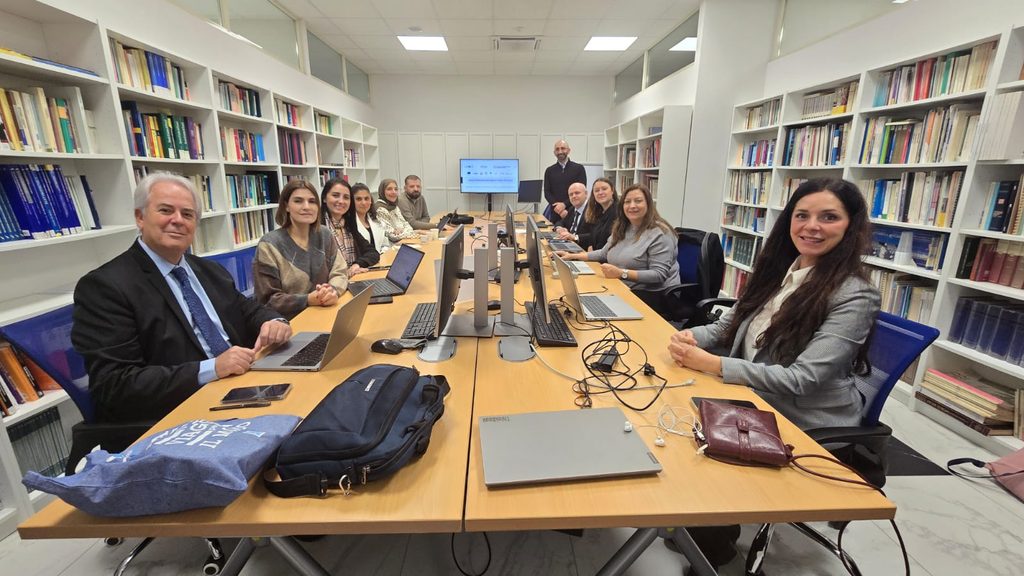
The final day, 19 November, took place at UNINETTUNO and focused on the pedagogical and technical finalisation of the MOOCs developed by the Lebanese partner universities. Partners reviewed and validated the educational resources, discussing technical aspects such as video quality, instructional design and learner engagement. Further sessions addressed the pedagogical refinement of course structures and assessment methods, as well as the long-term maintenance, updating and independent management of the MOOCs.
A key objective was to ensure that partner universities would have the necessary knowledge and responsibilities to maintain and update the courses beyond the project’s lifetime, ensuring its sustainability and its wide use by Lebanese students.
Strengthening cooperation for a sustainable impact
The three-day meeting in Rome represented an important opportunity to reinforce cooperation among the SE.TC partners, consolidate the project’s achievements and strengthen its links with external stakeholders. By combining institutional coordination, stakeholder engagement and the finalisation of innovative educational resources, the meeting contributed to the project’s broader mission: promoting social entrepreneurship as a tool for economic empowerment, youth employment and sustainable community development, particularly in vulnerable regions of Lebanon. The visit to Rome marked an important step towards ensuring the sustainability and long-term impact of SE.TC’s results, while reinforcing the value of international academic cooperation in addressing social and economic challenges.